
Indian Domestic Cat Guide
Indian domestic cats are highly individual mixed-lineage cats that can adapt well to many homes. This guide covers temperament ranges, care, cost, and adoption-focused decision points.
Use this guide to judge routine fit, energy expectations, cost pressure, and daily care demands before you decide that this breed belongs in your home.
Origin
India (mixed lineage)
Size
Medium
Coat
Mixed
Monthly cost
Low
Energy profile
Moderate
Beginner ease
High
Apartment fit
High
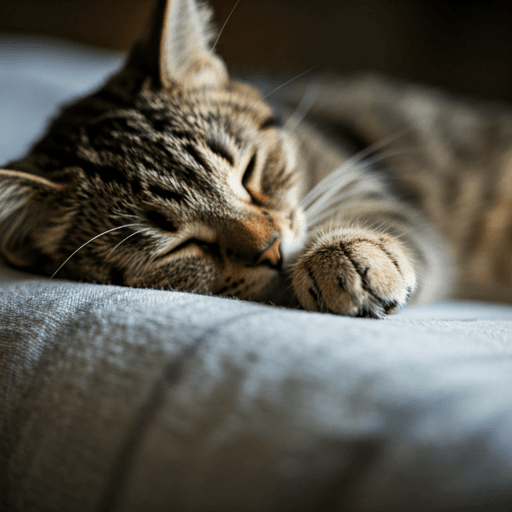
Moderate energy, high beginner fit.
Daily routine matters
Energy, stimulation, and predictability often shape this breed more than looks do.
Beauty is not the whole fit
Temperament, cost, grooming, and home rhythm should drive the real decision.
Best for
- Families open to adoption and temperament-first selection
- Owners seeking adaptable cats with practical care needs
- First-time cat parents wanting lower grooming load
Poor fit if
- People expecting fixed breed-like personality guarantees
- Homes unwilling to invest in early adjustment and training
- Owners who choose only by appearance
Reality check
Breed fit is usually decided by everyday routine, not by a single trait score or visual preference.
Full breed guide
The content below is still sourced directly from the published MDX file. This redesign only changes the reading experience and visual structure.
Quick decision summary
Indian domestic cats are not one single personality type. Many are adaptable, healthy companions with practical care needs, but individual behavior can vary widely. Choose the cat, not just the label.
Indian domestic cats are often underrepresented in online breed discussions, even though they are one of the most relevant companion cat groups for Indian homes. If your goal is a stable, affectionate companion and you are open to adoption, this category can be an excellent starting point.
At a glance
- Lineage: mixed, not standardized like formal pedigree breeds.
- Temperament: highly individual, shaped by life history and socialization.
- Grooming: often low for short-coated cats, moderate for longer coats.
- Climate fit in India: often good, but still depends on individual coat and health.
- Cost signal: usually lower to medium compared with high-maintenance pedigree lines.
Why "Indian domestic cat" is not a single behavior type
A key mistake is expecting one fixed trait profile. Indian domestic cats can range from quiet and observant to active and highly social.
Major drivers of behavior include:
- early human handling,
- rescue or street-life history,
- age,
- confidence level,
- home environment and routine.
This variability is a strength, not a weakness. It gives adopters more room to match temperament to lifestyle.
Adoption-first decision approach
Adoption fit principle
Prioritize behavior, health, and adjustment potential over appearance. A cat that matches your household routine is usually a better long-term outcome than a visual preference alone.
When meeting a cat for adoption, observe:
- response to gentle interaction,
- recovery from mild stress,
- comfort with handling,
- eating and litter habits,
- baseline veterinary status.
Use New Cat Parent Guide planning before bringing the cat home.
Care workload and routine planning
For many short-coated Indian domestic cats, grooming is relatively straightforward:
- light weekly brushing,
- regular nail checks,
- routine ear/skin monitoring,
- clean feeding and litter setup.
Do not assume "hardy" means "no care needed." Preventive veterinary visits, hygiene, enrichment, and nutrition still matter.
Apartment and family suitability
Many Indian domestic cats can do well in apartments when provided:
- vertical space,
- predictable feeding and play schedules,
- litter boxes in suitable locations,
- safe hiding spots and quiet rest zones.
Family fit depends on introduction quality, boundaries for children, and whether the cat has enough retreat space.
Monthly cost in India
Cost can be lower than some long-coated or giant pedigree breeds, but it is not zero-cost ownership.
Typical monthly planning categories:
- staple food,
- litter and cleaning,
- preventive care,
- enrichment basics,
- emergency contingency fund.
Use Monthly Cost of Owning a Cat in India for structured budgeting.
Health and welfare notes
Because lineage is mixed, risk patterns can differ widely from cat to cat. Avoid assumptions that any one group is "always healthier" or "always easier." Build a care plan around the individual animal in front of you.
Medical disclaimer
This guide is for educational purposes only and does not replace professional veterinary advice.
Who this is ideal for
Indian domestic cats may be especially suitable for:
- first-time cat parents willing to learn routines,
- adopters who prioritize temperament fit,
- homes that want practical grooming requirements,
- families open to gradual trust-building.
Related C4Cats guides
- Cat Breeds Hub
- First 7 Days With a New Cat
- Monthly Cost of Owning a Cat in India
- Cat Comparisons
- Medical Disclaimer
FAQs
Are Indian domestic cats good for first-time owners?
Often yes, especially when the cat's temperament and energy level match the home. Good onboarding and routine matter more than category labels.
Do Indian domestic cats always have short coats?
No. Many are short-coated, but coat type can vary.
Is adoption better than buying a pedigree cat?
It depends on your priorities. Adoption can be a strong welfare-positive option, especially when temperament fit and responsible care are prioritized.
Are Indian domestic cats low-maintenance?
They may be lower maintenance than some high-grooming breeds, but they still need proper nutrition, litter management, enrichment, and preventive healthcare.
Can they live in apartments?
Yes, many can, if the environment includes vertical space, predictable routines, and stress-reduction setup.
Do Indian domestic cats get along with children?
Many can, with respectful handling, boundaries, and gradual introductions. Individual personality still matters.
What is the biggest mistake adopters make?
Choosing quickly without evaluating behavior fit, home readiness, and first-month care planning.
Compare next
These published breed guides are the next useful comparisons if you want a different balance of energy, grooming, cost, or beginner ease.
Siamese Cat Guide
Siamese cats are social, vocal, and people-oriented companions. This guide helps you evaluate interaction needs, temperament fit, apartment suitability, and India-relevant care tradeoffs.
MediumBengal Cat Guide
Bengal cats are active, intelligent, and enrichment-heavy companions. This guide explains energy demands, home setup, cost planning, and whether a Bengal fits your lifestyle in India.
MediumPersian Cat Guide
Persian cats are calm indoor companions with high grooming and heat-management needs. This guide helps you decide if a Persian fits your home, budget, and routine in India.